The basement of a residential property is more than just a storage area or a potential location for a spare bedroom. It represents the literal anchor of the building, the point where the structure meets the earth and contends with the physical forces of nature. Because this space is situated below the frost line and the surrounding soil level, it is constantly subjected to hydrostatic pressure. This pressure is the force exerted by water when it builds up in the soil around your foundation walls. If the moisture has nowhere to go, it will find its way into your home through the path of least resistance. Understanding the complex relationship between your home and the environment is the first step toward long-term preservation.
Diverting Water Away from the Exterior Perimeter
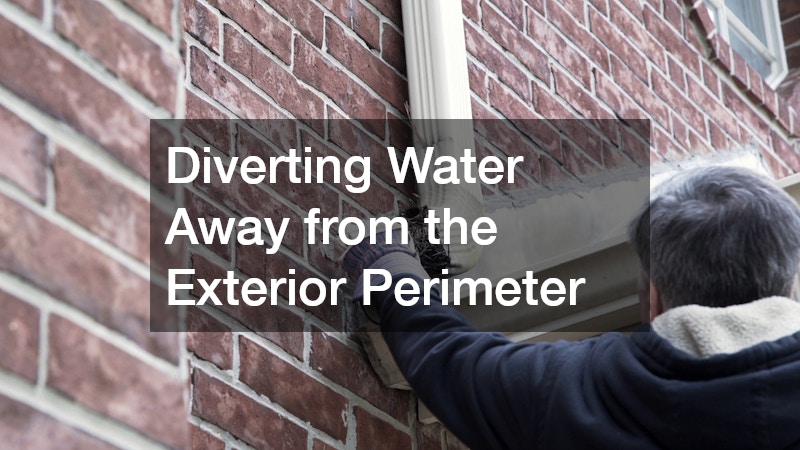
The most effective way to keep a basement dry is to ensure that liquid never reaches the foundation walls in the first place. This requires a meticulous approach to exterior water management. Most homeowners focus on the basement itself when they see a leak, but the actual cause of the problem is often located thirty feet above the ground on the roofline. When rainwater is allowed to spill over the sides of the house, it saturates the “backfill” soil—the looser dirt that was placed around the foundation during original construction. This loose soil absorbs water like a sponge, creating a heavy, wet mass that presses against your basement walls.
To prevent this saturation, your primary focus must be on high-performance drainage systems. Engaging professional gutter services is the most critical step in this process because it ensures that every gallon of water falling on your roof is captured and channeled away. Standard maintenance is not just about removing leaves; it involves checking the pitch of the troughs to ensure water doesn’t pool and installing high-capacity downspout extensions. If your downspouts drop water right at the base of your home, you are essentially inviting a flood. These extensions should ideally carry water at least ten feet away from the structure to a point where the yard slopes downward.
- Check for “tiger stripes” or staining on the exterior of your gutters, which indicates frequent overflowing.
- Ensure that all downspout elbows are tightly secured and lead to splash blocks or underground drainage pipes.
- Inspect the fascia boards for rot, as water backing up can damage the wood and eventually leak into the wall cavities.
- Consider installing leaf guards to prevent clogs that lead to heavy, sagging gutters during autumn storms.
- Regularly clear debris from the “valleys” of your roof where multiple slopes meet, as these areas channel the highest volume of water.
In addition to the roof, the vertical surfaces of your home act as a massive watershed. If your exterior cladding is cracked, warped, or improperly installed, rainwater can slip behind the protective layer and travel down the interior of the walls. Seeking out a reliable vinyl siding service can help you identify gaps in the building envelope that might be contributing to basement dampness. A professional installation includes the use of a house wrap or vapor barrier and proper flashing around windows and doors. This ensures that any moisture hitting the side of your house is shed outward toward the ground rather than being allowed to settle into the sill plate where the wooden frame meets the concrete foundation.
Fortifying the Structural Foundation and Slab
Even with perfect gutters, the ground itself contains moisture that can transition from the soil into your living space. Concrete may feel solid to the touch, but it is a porous material filled with microscopic capillaries. Over decades, the chemical bond of the concrete can weaken, and the shifting of the earth can create cracks that are barely visible but highly problematic. When the water table rises, the pressure can force water through the floor in a process known as advection. Addressing these structural concerns requires specialized diagnostic tools and a deep understanding of masonry.
Professional slab leak detection is necessary to find these subterranean issues without destroying your entire basement floor. Specialists use acoustic sensors and thermal imaging to pinpoint the exact location of the break. Fixing these leaks immediately is vital because the escaping water can wash away the soil under your home, leading to a void that causes the foundation to crack and sag under its own weight.
- Monitor your monthly water bill for any unexplained increases that could signal a hidden leak.
- Look for efflorescence, a white powdery substance on the concrete, which indicates that water is evaporating and leaving mineral deposits behind.
- Check for “stair-step” cracks in block walls, as these often indicate significant structural shifting.
- Inspect the joint where the wall meets the floor, known as the cove joint, which is the most common entry point for groundwater.
- Use a moisture meter to check the humidity levels of the concrete if you suspect the vapor barrier has failed.
Consulting with local concrete companies allows you to access expertise regarding the specific soil conditions in your geographic area. These professionals can install interior or exterior “French drains,” which are perforated pipes surrounded by gravel that divert groundwater to a sump pump. They can also apply high-strength parging or liquid rubber membranes to the exterior of the walls to create a truly waterproof seal. Using the right PSI-strength concrete and ensuring proper curing times will prevent the shrinkage cracks that often plague DIY foundation repairs.
Managing High-Risk Utility and Plumbing Systems

The basement is frequently the mechanical hub of the house, which means it is the most likely place for an internal plumbing failure. While exterior floods are caused by rain, internal floods are caused by pressurized pipes and storage tanks. Because these systems are often tucked away in closets or utility rooms, a leak can go unnoticed for days or even weeks. By the time you see the water, it may have already caused thousands of dollars in damage to your drywall and personal belongings.
A primary point of failure in many homes is the appliance responsible for your hot showers. Standard water heaters have a steel tank that is constantly under pressure and exposed to corrosive minerals in the water. If you see tea-colored water or hear a popping sound from the tank, it is time to replace it. Installing a catch pan with a drain line underneath the unit is a simple way to ensure that if the tank does fail, the water is safely routed to a floor drain rather than across your basement floor.
- Test your sump pump twice a year by pouring a bucket of water into the pit to ensure the float switch triggers correctly.
- Install a battery backup system for your sump pump so it continues to work during the power outages that often accompany heavy storms.
- Replace washing machine hoses every five years, preferably with stainless steel braided lines that are less likely to burst.
- Check the floor drain for clogs or “dry traps” that could allow sewer gases to enter the home.
- Place smart leak sensors near every major appliance that will send an alert to your phone the moment moisture is detected.
Despite the best preventative measures, accidents like a heavy pipe burst or a massive sewage backup can happen. In these instances, the volume of water is too great for a wet-dry vacuum or a few fans. You should contact a professional water damage restoration company to handle the extraction and structural drying. These experts use industrial-grade air movers and LGR dehumidifiers that can pull moisture out of the deep pores of the wood framing. Failing to dry the house quickly enough can lead to the “wicking” effect, where water travels up the studs and ruins the upper levels of your home, turning a basement issue into a whole-house crisis.
Selecting Resilient Interior Finishes
If you plan to use your basement as a living space, the materials you choose must be “moisture-intelligent.” Standard home finishing techniques that work on the second floor can be a recipe for disaster in a basement. For example, installing traditional solid hardwood directly over concrete is almost guaranteed to result in cupping and buckling. The basement environment requires materials that can breathe or that are completely impervious to the effects of humidity and liquid water.
Many modern homeowners are opting for waterproof plank flooring because it offers the warmth and texture of wood without the organic vulnerabilities. These products are typically made from a stone-plastic composite or a wood-plastic composite that does not expand or contract when exposed to moisture. Because they are installed as a “floating” floor, they allow for a small amount of airflow underneath, and in the event of a minor leak, the planks can often be unclicked, dried, and reinstalled without needing to be replaced.
- Avoid using organic materials like cork or standard laminate that can absorb water and swell.
- Ensure the concrete slab is level within 3/16 of an inch before laying down any new flooring to prevent clicking or breaking of the joints.
- Use a high-quality underlayment that includes a built-in vapor barrier to protect the underside of your planks.
- Leave a consistent expansion gap around the perimeter of the room to allow the house to shift naturally.
- Consider using area rugs that can be easily laundered instead of wall-to-wall carpeting which can trap mold spores.
The walls are the next major consideration for a finished basement. Standard gypsum board is essentially two layers of paper sandwiching a core of minerals—the paper is a perfect food source for mold. When you are ready to finish the space, hiring experienced drywall companies is beneficial because they can provide advice on specialized moisture-resistant products. Many professionals recommend using “purple board” or fiberglass-faced panels that do not contain organic paper.
Long-Term Sealants and Remediation Strategies

While a dry basement is the goal, a “breathable” basement is the reality. Concrete will always have some level of vapor transmission, and the goal of a high-quality sealant is to manage that transmission while providing a durable, cleanable surface. This is especially important in utility areas, workshops, or laundry rooms where the floor is subjected to heavy wear and tear.
One of the most robust solutions for a basement floor is the application of a professional epoxy floor coating. Unlike simple floor paint that sits on the surface and eventually peels, epoxy is a two-part resin that undergoes a chemical reaction to become an incredibly hard, plastic-like surface. This coating fills the pores of the concrete and creates a seamless barrier that is completely resistant to water, oil, and chemicals. It is also an excellent way to brighten up a dark basement, as the high-gloss finish reflects light much better than raw, gray concrete.
- Perform a “calcium chloride test” or a simple plastic sheet test to check for rising moisture before applying any sealer or epoxy.
- Deep-clean the concrete with an acid etch or mechanical grinder to ensure the coating has a rough surface to grip onto.
- Choose a low-VOC (volatile organic compound) product to ensure that the fumes do not linger in the enclosed basement space.
- Consider adding a slip-resistant aggregate to the topcoat to prevent the floor from becoming dangerously slick when wet.
- Apply the coating in thin, even layers to avoid “outgassing” bubbles that can ruin the finish.
If you find that a corner of your basement has developed a persistent musty smell or visible black spotting, you need more than just a bottle of bleach. Professional water damage remediation involves a multi-step process of containment, air filtration, and antimicrobial treatment. These specialists use HEPA vacuums to capture mold spores and specialized cleaners that penetrate deep into the wood to kill the roots of the fungus. Addressing the microbial growth is just as important as stopping the water leak, as it ensures the health and safety of everyone living in the home.
The Long-Term Rewards of a Multi-Layered Protection

Maintaining your basement is not a task that is ever truly finished. It requires a watchful eye and a willingness to address small issues before they evolve into structural failures. Walk around your home during a heavy rainstorm to see where the water goes. Listen to your appliances. Feel the humidity in the air. By staying in tune with the needs of your home and utilizing the right professional expertise when necessary, you can enjoy a basement that serves your family for a lifetime. What is the first thing you will check in your basement this weekend to ensure it is ready for the next change in season?