A safer, stronger home is not built through one project alone. It comes from thoughtful planning, smart upgrades, regular maintenance, reliable systems, and timely professional help. Every home has different needs based on its age, location, layout, materials, and the people who live there, but the goal is always the same: create a space that protects your family, supports daily comfort, and holds up well over time.
Many homeowners think about home improvement only when something breaks or when they want to update the way a space looks. While those projects can be valuable, safety and strength should come first. A beautiful home still needs dependable power, stable systems, sound construction, weather protection, safe walkways, reliable heating and cooling, and proper coverage in case of an unexpected event.
Building a better home starts with knowing what to inspect, what to improve, and when to bring in qualified professionals. By taking a whole-home approach, homeowners can make smarter decisions, reduce emergency repairs, and protect long-term property value.
Start With a Whole-Home Safety Review

Before beginning any major project, walk through your home and look at it as a connected system. A problem in one area can affect another. Poor drainage can damage the foundation. Bad insulation can overwork heating and cooling equipment. Old wiring can create safety risks. A roof leak can lead to mold, damaged drywall, or weakened framing.
Start inside the home. Check ceilings, walls, floors, windows, doors, stairs, outlets, and utility areas. Look for cracks, moisture stains, unusual odors, loose railings, soft flooring, or drafts. Then move outside and inspect siding, gutters, walkways, steps, exterior lighting, the roofline, and the foundation area. You do not need to solve every issue immediately, but you should know which issues need attention.
A basic review should include:
* Testing smoke and carbon monoxide detectors
* Checking for water stains or active leaks
* Looking for cracks in walls or foundations
* Inspecting stairs, railings, and walkways
* Reviewing appliance age and repair history
* Checking for overloaded outlets
* Noting drafty windows or doors
* Looking for pest or moisture signs
It is also smart to review homeowners insurance plans when making safety upgrades or major improvements. Coverage can vary, and some policies may include exclusions, limits, or requirements for certain systems or property risks. Understanding your coverage helps you plan more realistically.
For larger repairs or multiple projects, a general contractor can help organize priorities. Instead of hiring different trades without a plan, a contractor can evaluate the bigger picture, coordinate work, and help determine which safety issues should be addressed first.
Strengthen Backup Power and Emergency Readiness
Power outages can be more than an inconvenience. They can affect heating, cooling, food storage, sump pumps, medical equipment, security systems, lighting, and communication. If outages are common in your area, backup power planning can be an important part of making your home safer and more resilient.
Start by deciding what you need to keep running during an outage. Some families only need basic lighting, refrigeration, and phone charging. Others need power for a well pump, medical device, heating system, work-from-home setup, or sump pump. The size and type of backup system should match your actual needs.
Professional generator installation is important because backup power must be connected safely. An incorrect setup can create electrical hazards, carbon monoxide risks, or damage to appliances. A properly installed system should include safe placement, correct ventilation, appropriate load capacity, and a transfer switch or other approved connection method.
Fuel planning also matters. A home propane tank can support backup power, heating, cooking, or other household systems, depending on the home’s setup. If propane is part of your emergency plan, make sure the tank is properly sized, accessible for delivery, and maintained in accordance with safety guidelines.
Emergency readiness should also include:
* Flashlights and batteries
* Portable phone chargers
* Drinking water
* Nonperishable food
* First aid supplies
* Medication access
* Copies of important documents
* A family communication plan
* A list of emergency contacts
Backup power should be tested and maintained before storms or extreme weather arrive. The time to discover a problem is not during an outage.
Improve Heating Reliability Before Cold Weather
Reliable heat is a safety issue, especially in cold climates. A heating failure can make the home uncomfortable and can also contribute to frozen pipes, moisture issues, and health risks for children, older adults, and people with medical conditions. Preparing before cold weather arrives gives you more control and fewer emergency surprises.
Begin by checking your heating system in early fall. Replace filters, clear vents, test the thermostat, and listen for unusual sounds. If the system has not been serviced in a while, schedule maintenance before appointment calendars fill up. Waiting until the first cold snap can lead to delays, higher stress, and limited service availability.
For homes that rely on fuel delivery, planning ahead is essential. Home heating oil companies can help homeowners schedule deliveries, monitor fuel levels, and prepare for winter demand. Running low during a cold stretch can create unnecessary risk, especially when the weather affects delivery schedules.
It is also worth comparing home heating oil businesses based on reliability, delivery options, customer support, service plans, and emergency availability. Price matters, but dependable service matters too. A slightly cheaper option is not always better if deliveries are inconsistent or service support is difficult to reach.
Design Core Systems for Everyday Comfort
Comfort systems are part of a strong home because they affect daily living, indoor air quality, humidity, and health during extreme weather. When these systems are neglected, the home can become uncomfortable, inefficient, and harder to maintain.
Air conditioning is often thought of as a summer comfort feature, but it also helps manage indoor humidity and can protect vulnerable household members during heat waves. High humidity can make a home feel warmer, encourage mold growth, and create musty odors. A well-maintained cooling system can help keep indoor conditions more stable.
Start with basic maintenance. Replace filters regularly, keep vents open, and ensure outdoor units are free of leaves, grass clippings, and debris. If you notice weak airflow, warm air, frequent cycling, strange noises, or rising energy bills, the system should be checked before the problem worsens.
Comfort also depends on insulation, windows, ductwork, and thermostat settings. A powerful system cannot overcome major air leaks or poorly insulated spaces. If some rooms are always too hot or too cold, the problem may involve airflow, duct design, insulation gaps, or equipment sizing.
To improve everyday comfort:
* Replace filters on schedule.
* Keep supply and return vents clear.
* Monitor indoor humidity.
* Seal air leaks around windows and doors.
* Use ceiling fans wisely.
* Schedule seasonal maintenance.
* Check for uneven temperatures.
* Use thermostat settings consistently.
A safer, stronger home should feel stable year-round. Good comfort planning helps reduce strain on equipment and improves the way the home functions every day.
Build With Long-Term Durability in Mind
When planning a new build or major rebuild, durability should matter as much as appearance. A home can look beautiful but still cause long-term problems if drainage, roofing, insulation, ventilation, and structural details are not carefully planned.
Durability begins with the site. Water should drain away from the structure. The foundation should be suited to the soil conditions. Rooflines should effectively manage rain and snow. Windows and doors should be installed and sealed properly. Materials should match the climate and maintenance expectations.
Custom home builders can help homeowners think through these decisions before construction begins. Instead of focusing only on finishes, they can help plan the systems and structural details that affect long-term performance. This includes framing, insulation, moisture control, electrical layout, mechanical systems, windows, roofing, and room flow.
A custom home also gives homeowners the chance to plan around future needs. This might include wider hallways, flexible rooms, first-floor living areas, energy-efficient systems, backup power readiness, storage, safer stairs, or better indoor-outdoor access. Designing these features from the start is usually easier than adding them later.
Important durability choices include:
* Strong roofing materials
* Proper attic ventilation
* Quality insulation
* Energy-efficient windows
* Moisture-resistant materials where needed
* Smart drainage and grading
* Durable exterior siding
* Safe electrical planning
* Flexible room layouts
Strength is not only about building bigger or using more expensive materials. It is about making choices that reduce risk, simplify maintenance, and help the home perform well for years.
Plan Additions Without Weakening the Existing Home
Adding space can make a home more functional, but additions need careful planning. A poorly planned addition can create drainage problems, roofline issues, uneven temperatures, structural stress, or awkward traffic flow. The new space should work with the existing home, not fight against it.
Before designing the addition, identify the goal. Are you adding a bedroom, expanding a kitchen, creating a sunroom, building a garage, or adding a second story? Each project type affects the home differently. Electrical, plumbing, heating, cooling, foundation, framing, and roofing details all need to be considered.
Home additions contractors can help evaluate how the new space will connect to the existing structure. They can identify load-bearing walls, foundation requirements, roof transitions, permit needs, and code considerations. This is especially important when the addition affects major systems or changes the home’s footprint.
Protect the Exterior From Weather and Moisture
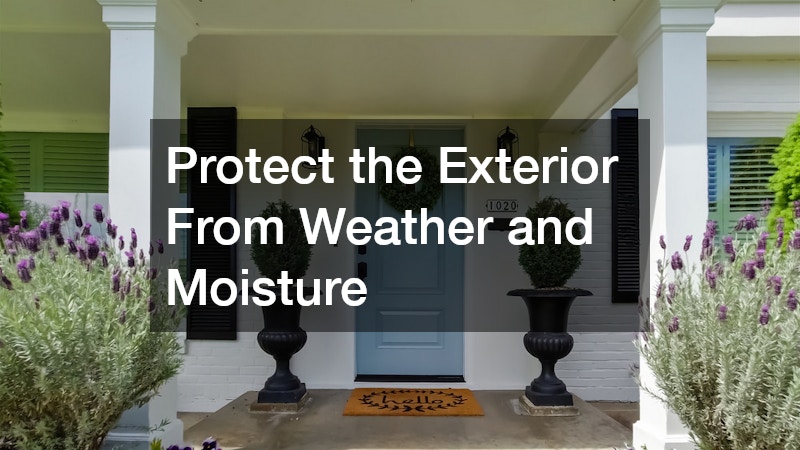
Water is one of the biggest threats to a home. It can damage foundations, framing, roofing, siding, insulation, flooring, and interior finishes. Moisture can also encourage mold, pests, and wood rot. Protecting the exterior is one of the most important ways to build a stronger home.
Start with gutters and downspouts. Gutters should move water away from the roof and foundation. If they are clogged, loose, or improperly pitched, water can overflow and damage fascia, siding, landscaping, or basement areas. Clean them at least twice a year, and more often if nearby trees drop leaves or debris.
Next, inspect siding, trim, windows, doors, and exterior caulking. Gaps and cracks allow water and air to enter. Peeling paint, soft wood, or staining can signal moisture problems. Seal small gaps and repair damaged materials before the problem spreads.
Pay attention to the ground around the home. Soil should slope away from the foundation where possible. Downspouts should discharge several feet away from the structure. Low areas that collect water should be corrected before they cause bigger issues.
Storms, snow, heat, and wind all affect exterior materials. Regular checks help homeowners catch problems before they cause interior damage.
Prioritize Projects Based on Risk and Value
Most homeowners have more projects than time or budget. The key is knowing what should come first. Safety risks, water intrusion, electrical problems, structural concerns, and major system issues should take priority over cosmetic updates.
Start by making a list of everything that needs attention. Then rank each item by urgency. A leaking roof, faulty wiring, failing heat, or active plumbing leak should move to the top. Paint colors, décor, and minor cosmetic upgrades can usually wait.
Consider the cost of delaying each project. Some repairs become more expensive with time. A small leak can damage insulation, drywall, flooring, and framing. A neglected heating or cooling issue can strain equipment. A drainage problem can affect the foundation.
Project priorities should consider:
* Immediate safety risk
* Potential for water damage
* Structural impact
* Energy efficiency
* Daily comfort
* Repair cost if delayed
* Insurance or code concerns
* Long-term property value
Keep records of estimates, repairs, warranties, service visits, and upgrades. These records help you track the home’s condition and can be useful when selling the property. They also help future contractors understand what has already been done.
A stronger home is built through smart sequencing. Doing the right project at the right time can save money and reduce stress.
Build Strength Through Consistent Care
A safer, stronger home does not happen overnight. It is built through regular maintenance, thoughtful planning, reliable systems, and smart decisions made over time. You do not need to complete every project at once. The best approach is to start with the highest-risk areas, address urgent concerns, and build a manageable plan for future improvements.
Begin with a safety review, then look at power, heating, cooling, drainage, exterior protection, and structural needs. Keep records, set aside a repair budget, and pay attention to small warning signs before they become major problems.
Some tasks are simple enough for homeowners to handle. Others require trained professionals, especially when the work involves major systems, structural changes, fuel, electricity, or safety risks. Knowing when to get help is part of protecting your home.
With consistent care, your home can become more comfortable, more reliable, and better prepared for daily life and unexpected challenges.