
Your home is one of your most significant investments, and maintaining both its exterior structure and core systems is essential for long-term protection. From the roof that shields you from the elements to the plumbing and HVAC systems that keep daily life running smoothly, every component plays a vital role. When even one system is neglected, the effects can ripple throughout the property, leading to structural damage, rising energy costs, and avoidable repair expenses.
Proactive maintenance is far more cost-effective than reactive repairs. Small issues—like a loose shingle, clogged gutter, or minor pipe leak—can escalate quickly if ignored. By implementing a structured plan that includes regular inspections, seasonal servicing, and professional support when necessary, homeowners can extend the lifespan of critical systems and preserve property value.
Exterior components face constant exposure to weather fluctuations, ultraviolet rays, moisture, and debris accumulation. Meanwhile, interior systems endure daily operational stress that can gradually reduce efficiency. Without consistent attention, these systems decline in performance and reliability. Homeowners who take a preventative approach benefit from fewer emergencies, lower utility bills, and a more comfortable living environment.
This comprehensive guide outlines practical strategies for protecting your home’s exterior and core systems year-round. With detailed tips and clear action steps, you’ll gain a better understanding of how to prevent common problems and keep your property functioning efficiently in every season.
Inspect Roofing Materials and Address Minor Damage Early
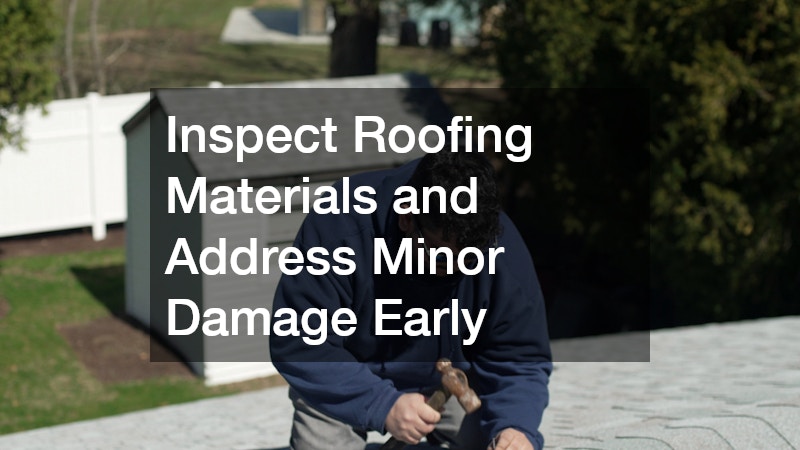
Your roof serves as the first line of defense against rain, wind, snow, and sun exposure. Routine inspections help identify small concerns before they develop into major structural problems. Even minor cracks, loose shingles, or deteriorating flashing can allow moisture intrusion, leading to interior water damage and mold growth.
Scheduling seasonal inspections with a local roofing company ensures a thorough evaluation of shingles, underlayment, flashing, and ventilation components. Professionals are trained to detect subtle warning signs that may not be visible from the ground. If damage is discovered, timely roof repair services can prevent leaks from spreading and compromising the structural integrity of your home.
Homeowners can also conduct basic visual inspections from the ground using binoculars. Look for:
- Missing, curled, or cracked shingles
- Sagging rooflines
- Rusted or lifted flashing around vents and chimneys
- Excessive granules in gutters
- Dark patches indicating trapped moisture
It is also important to inspect your attic periodically. Signs of water stains, damp insulation, or daylight peeking through roof boards may indicate developing issues above. Adequate attic ventilation reduces condensation and heat buildup, which can prematurely age roofing materials.
After severe storms, always check for new damage and schedule a professional evaluation if necessary. Delaying repairs often increases costs, as moisture can spread beneath roofing materials and into attic insulation. Early intervention protects not only your roof but also the entire home structure.
Keeping detailed records of inspections and completed repairs also supports warranty compliance and future resale value. A well-maintained roof reassures potential buyers and reduces long-term repair expenses.
Create a Consistent Roof Inspection and Maintenance Schedule
Consistency is key when protecting your roofing system. Rather than waiting for visible problems, establish a maintenance routine that includes biannual inspections—typically in spring and fall—and additional checks after major weather events.
Working with experienced local roofers ensures inspections are conducted safely and according to building standards. These professionals understand how climate, roofing material type, and ventilation systems impact durability. Regular maintenance appointments also allow minor repairs to be handled quickly before they worsen.
Preventative measures can significantly extend roof lifespan. Consider the following strategies:
- Remove debris such as leaves and branches
- Ensure proper attic ventilation to reduce heat buildup
- Inspect and reseal flashing around penetrations
- Address small leaks immediately
- Trim overhanging tree limbs
In addition to inspections, monitor interior ceilings for discoloration or bubbling paint. These subtle signs often indicate developing roof leaks. Establishing a long-term relationship with trusted professionals ensures accountability and consistent service quality.
Understanding the expected lifespan of your roofing materials is also important. Asphalt shingles, metal roofing, and tile systems each have different durability ranges. Scheduling inspections aligned with these timelines helps homeowners plan for repairs or eventual replacement.
A consistent maintenance schedule not only improves roof longevity but also supports energy efficiency by maintaining proper insulation and ventilation. Over time, this reduces heating and cooling strain and helps control utility costs.
Keep Gutters Clear and Functioning Properly
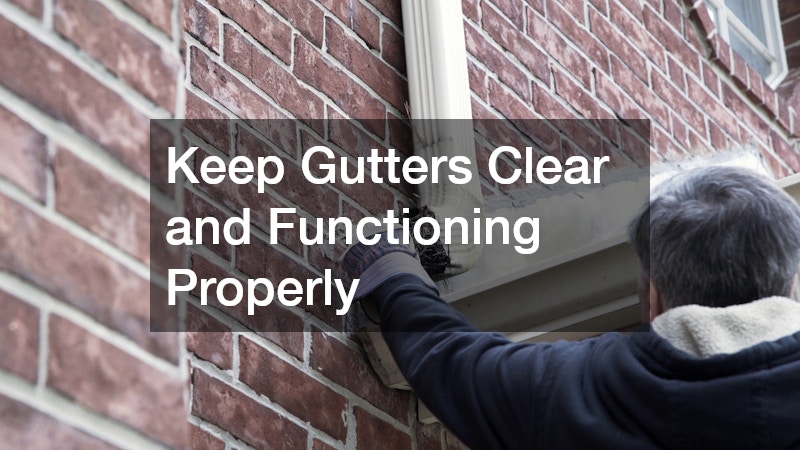
Gutters play a crucial role in directing water away from your home’s roof, siding, and foundation. Without proper gutter maintenance, rainwater can overflow, causing erosion, basement flooding, and structural weakening. Clogged gutters also contribute to ice dams in colder climates, increasing the risk of roof damage.
Seasonal cleaning is essential, especially in autumn when leaves accumulate quickly. Remove debris by hand or with a scoop, and flush the system with a hose to ensure downspouts are clear. Inspect for sagging sections, rust, or loose brackets.
In some cases, hiring a professional gutter contractor may be necessary. Persistent clogs, damaged seams, or improper slope require expert evaluation and repair. Professionals can also recommend gutter guards or improved drainage systems to minimize maintenance needs.
When inspecting gutters, look for:
- Water pooling near the foundation
- Overflow during heavy rain
- Peeling paint or rust spots
- Loose fasteners or disconnected downspouts
You should also examine the fascia boards behind gutters for signs of rot or moisture damage. Addressing issues early prevents structural weakening along the roofline. Ensure downspouts discharge water several feet away from the foundation to prevent seepage.
Proper drainage prevents moisture infiltration into siding and foundations, preserving structural stability. By investing time in gutter upkeep, homeowners reduce the likelihood of costly foundation repairs and water damage restoration.
Protect and Maintain Your Home’s Siding
Siding protects your home’s structural framing and insulation from moisture, pests, and environmental damage. Over time, exposure to sun, rain, and temperature fluctuations can lead to cracking, warping, or fading. Routine cleaning and inspection help preserve appearance and function.
Wash siding annually to remove dirt, mildew, and debris. For vinyl or fiber cement, use mild detergent and a soft brush or low-pressure washer. Wood siding may require resealing or repainting to prevent moisture absorption.
If you notice cracks, warping, or signs of rot, consult a reputable siding company for a professional assessment. Addressing minor issues early prevents deeper structural damage and maintains energy efficiency.
Key maintenance steps include:
- Inspect seams and joints for separation
- Repaint or reseal wood surfaces as needed
- Repair loose panels promptly
- Monitor for signs of pest infiltration
- Ensure proper drainage around exterior walls
Additionally, check caulking around windows and doors to prevent moisture infiltration behind siding panels. Poorly sealed gaps can allow water intrusion that damages insulation and framing. Maintaining consistent exterior inspections ensures small issues remain manageable.
Well-maintained siding enhances curb appeal while safeguarding the home’s internal structure. Consistent care extends lifespan and supports insulation performance.
Schedule Seasonal System Tune-Ups for Reliable Performance
Heating and cooling systems operate year-round, making HVAC maintenance critical for efficiency and reliability. Seasonal tune-ups prepare systems for peak performance during extreme temperatures and reduce the risk of unexpected breakdowns.
A licensed AC contractor can inspect electrical components, refrigerant levels, and airflow systems to ensure optimal function. Professional evaluations detect worn parts, airflow restrictions, or calibration issues before they lead to system failure.
Homeowners can support system efficiency by:
- Replacing air filters every 1–3 months
- Cleaning vents and return registers
- Checking thermostat settings
- Clearing debris around outdoor units
- Scheduling professional HVAC maintenance annually
It is also beneficial to monitor unusual noises, inconsistent temperatures, or increased utility bills. These warning signs often indicate developing issues. Regular servicing improves indoor air quality and ensures balanced airflow throughout the home.
Preventative maintenance reduces mechanical strain, prolongs equipment lifespan, and improves overall comfort. Efficient systems place less stress on components, minimizing repair frequency and operating costs.
Monitor Plumbing Systems to Prevent Water Damage
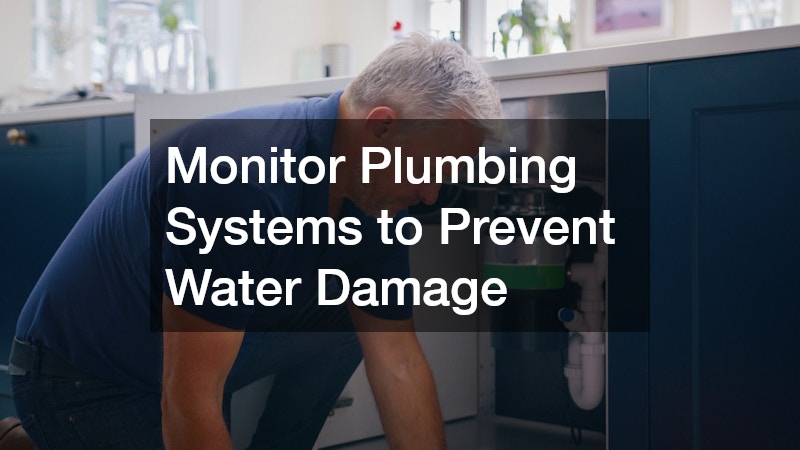
Plumbing systems are essential yet often overlooked until problems arise. Leaks, corrosion, or pressure imbalances can lead to extensive water damage and mold growth. Proactive inspection and timely plumbing repair services reduce the risk of costly emergencies.
A local plumber can perform comprehensive inspections, checking water heaters, supply lines, drains, and shutoff valves. Early detection of minor leaks prevents structural damage and reduces water waste.
Homeowners should routinely:
- Inspect under sinks for moisture
- Check exposed pipes for corrosion
- Monitor water pressure levels
- Flush water heaters annually
- Test shutoff valves for functionality
Pay attention to unexplained increases in water bills, which may signal hidden leaks. Insulate exposed pipes in colder months to prevent freezing and bursting.
Routine inspections preserve plumbing efficiency and reduce strain on appliances. Establishing ongoing service appointments supports preventative care and long-term reliability.
Improve Drainage and Exterior Water Management
Effective water management extends beyond gutters and roofing. Proper grading, downspout extensions, and landscaping adjustments ensure water flows away from the foundation. Without adequate drainage, moisture can seep into basements and compromise structural stability, potentially leading to mold growth, wood rot, or even interior flooding.
Inspect soil grading to confirm that the ground slopes away from the home. Extend downspouts and install splash blocks to redirect runoff, and consider integrating rain barrels or drainage channels in problem areas.
Additional strategies include:
- Cleaning exterior drains
- Installing French drains where needed
- Sealing foundation cracks
- Monitoring basement humidity
- Maintaining proper slope around patios and walkways
Regular drainage assessments prevent long-term erosion and foundation weakening, protect landscaping, and reduce the likelihood of water-related damage inside and outside the home.
Build a Year-Round Maintenance Calendar
Organization simplifies home upkeep. Creating a detailed maintenance calendar ensures no system is overlooked and helps homeowners plan tasks efficiently throughout the year. By breaking responsibilities into manageable seasonal categories, you can prioritize inspections, cleaning, and professional appointments without feeling overwhelmed. A structured schedule also allows for budgeting and ensures that preventative maintenance is completed consistently.
For example:
Spring:
- Roof inspection
- Gutter cleaning
- HVAC servicing
- Checking outdoor plumbing connections for leaks or winter damage
Summer:
- Siding cleaning
- Plumbing inspection
- Landscape drainage check
- Inspecting decks, patios, and exterior paint for wear
Fall:
- Roof debris removal
- Gutter inspection
- Heating system tune-up
- Winterizing irrigation systems and outdoor faucets
Winter:
- Pipe insulation check
- Ice dam monitoring
- Indoor air quality assessment
- Checking for drafts around doors and windows
Document completed services, contractor visits, and repair details. Tracking maintenance history supports warranty claims, helps identify recurring issues, and provides valuable reference information during resale or renovation planning.
Consistency reduces emergencies, extends the life of home systems, and promotes long-term efficiency. A proactive approach ensures your home remains safe, comfortable, and well-maintained throughout the year.
Prioritize Professional Partnerships and Long-Term Planning
Certain maintenance tasks require specialized expertise. Establishing relationships with licensed, insured professionals improves accountability and service quality. When selecting contractors, verify credentials, read reviews, and request detailed estimates. Professional partnerships allow homeowners to develop long-term maintenance plans tailored to property age and climate conditions. Regular service appointments reduce emergency calls and provide early detection of system weaknesses.
Long-term planning also includes budgeting for repairs and future replacements. By setting aside funds annually, homeowners can manage larger projects without financial strain. Proactive collaboration with trusted professionals ensures that maintenance efforts are effective, safe, and compliant with industry standards.
Maintaining your home’s exterior and core systems requires diligence, organization, and proactive care. By conducting regular inspections, addressing minor damage early, and scheduling professional servicing, homeowners can prevent costly repairs and extend the lifespan of critical systems.
From roofing and gutters to siding, HVAC, and plumbing, each component contributes to overall safety, efficiency, and comfort. Consistent upkeep supports energy savings, protects structural integrity, and enhances curb appeal. Rather than reacting to emergencies, a structured maintenance plan empowers homeowners to stay ahead of potential issues.
In addition to protecting your investment, routine maintenance reduces stress and increases confidence in your home’s performance. Homeowners who follow a disciplined schedule are better prepared for seasonal changes and extreme weather events, avoiding unexpected disruptions and financial strain. Regular upkeep also helps identify minor concerns before they escalate, allowing for timely repairs that are more affordable and less invasive.
With careful planning, reliable professional support, and a commitment to routine inspections, your home can remain strong, efficient, and resilient year after year. Investing time in preventative maintenance today ensures lasting protection and peace of mind for the future, while creating a comfortable, safe, and enjoyable living environment for your family.