
A home requires regular attention to remain comfortable, functional, and protected from everyday wear. From plumbing and roofing to heating and cooling systems, different parts of a property experience changing demands throughout the year. Seasonal temperature shifts, heavy rainfall, humidity, and routine household use can all contribute to maintenance concerns. Addressing small problems early can help homeowners avoid more extensive damage and keep essential systems operating as expected.
Some maintenance needs are easy to recognize, such as a dripping faucet or a damaged roof shingle. Other problems develop gradually and might not become obvious until they begin affecting indoor comfort or household utility costs. Changes in water pressure, unusual odors, inconsistent temperatures, and unexplained increases in energy use can all indicate that a system needs attention. Regularly checking these areas can help homeowners recognize potential concerns before they become more disruptive.
Planning home maintenance throughout the year also makes it easier to prioritize projects. Certain tasks are especially relevant before winter, while others should be addressed before summer heat or periods of heavy rain. Although the exact schedule depends on a home’s age, location, and condition, a consistent maintenance routine can help protect its value and support everyday living. Understanding which repairs deserve attention can help homeowners plan ahead and determine when professional assistance is appropriate.
Handling Everyday Household Maintenance
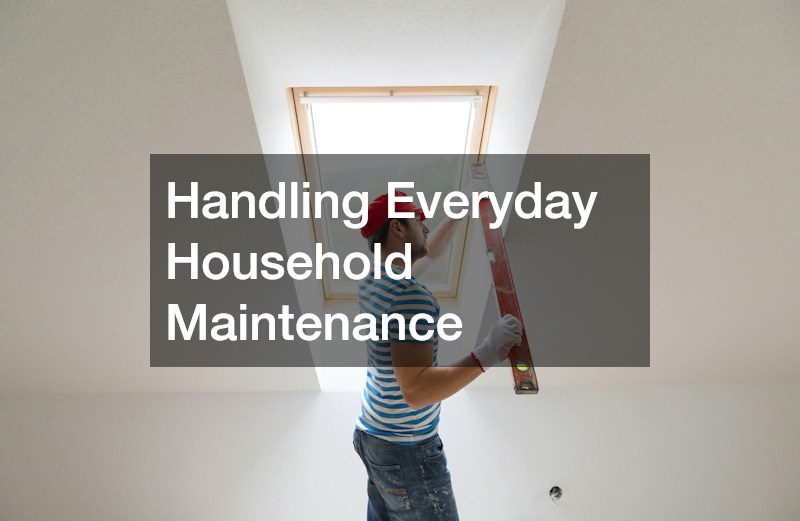
Routine maintenance helps keep a home in good condition and can reveal problems that need professional attention. Everyday wear affects doors, windows, walls, flooring, cabinets, fixtures, and other frequently used features. Loose hardware, damaged trim, sticking doors, and minor drywall damage might seem insignificant, but addressing these issues can prevent further deterioration and keep living spaces functional.
A handyman can assist with a variety of general household maintenance tasks. Depending on the provider’s services, this work might include repairing damaged drywall, adjusting doors, replacing cabinet hardware, installing shelving, fixing loose fixtures, or completing minor carpentry projects. Homeowners should confirm the scope of available services before scheduling work, particularly when a project involves electrical systems, plumbing, structural components, or other specialized tasks.
Seasonal inspections can help homeowners identify maintenance needs throughout the year. During spring, it can be useful to check for damage caused by winter weather, inspect window and door seals, and look for signs of moisture around the property. Summer is a practical time to address exterior maintenance and complete projects that require favorable weather. In fall, homeowners can prepare doors, windows, and other areas for colder temperatures, while winter inspections can help identify drafts and problems affecting indoor comfort.
Identifying Signs of Water System Problems
A home’s plumbing system supports everyday activities, including bathing, cooking, cleaning, and laundry. Because water lines and connections often run behind walls, beneath floors, or through cabinets, some problems can remain hidden until noticeable damage develops. Paying attention to changes in water pressure, drainage, and water usage can help homeowners recognize potential concerns.
A local plumber can inspect water supply lines, drains, fixtures, and other components when problems arise. Signs that professional attention might be needed include recurring clogs, slow drains, discolored water, unusual pipe noises, and unexplained increases in water bills. Low water pressure throughout a home can indicate a broader supply issue, while pressure changes at a single fixture might point to a localized problem.
Leaks deserve prompt attention because even a small amount of escaping water can affect surrounding materials. Water stains on ceilings, damp cabinets, bubbling paint, warped flooring, and persistent musty odors can indicate moisture behind visible surfaces. Homeowners should not assume that a dry-looking area is free from damage, especially when stains or odors continue to return.
Addressing Common Issues With Household Fixtures
Household fixtures receive frequent use, making them vulnerable to gradual wear and occasional damage. Faucets, sinks, showerheads, drains, and water supply connections can develop problems that affect convenience and water efficiency. Some issues begin as minor inconveniences but can become more disruptive if the underlying cause is not addressed.
Common plumbing repairs include replacing worn faucet components, correcting leaking connections, clearing drain obstructions, and addressing damaged supply lines. The appropriate solution depends on the fixture’s condition and the source of the problem. For example, a dripping faucet could involve a worn internal component, while persistent drainage problems might be related to an obstruction farther down the line.
Homeowners should pay attention to recurring problems rather than repeatedly relying on temporary solutions. A drain that becomes clogged again shortly after being cleared could indicate a deeper blockage. Similarly, a faucet that continues dripping after a component has been replaced might have another issue that requires inspection. Repeated problems can also indicate aging fixtures or deteriorating connections.
Recognizing and Resolving Bathroom Leaks
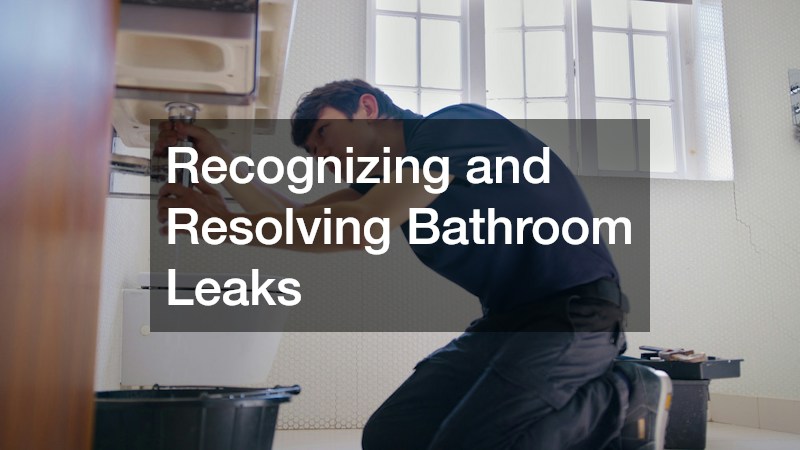
Bathrooms contain several water connections and fixtures, including toilets, sinks, showers, bathtubs, and supply lines. Because these areas are used regularly, leaks can create ongoing moisture problems if they are not identified promptly. Water can seep beneath flooring, into cabinets, or around wall openings, potentially damaging materials that are not immediately visible.
A toilet leaking at its base could indicate a problem with the seal between the toilet and the floor, while water around the tank or supply connection could point to a different issue. Homeowners might also notice water continuing to run inside the tank after flushing, which can suggest a problem with an internal component. A toilet that repeatedly runs or requires multiple flushes should be inspected to determine whether a repair is needed.
Other bathroom warning signs include loose fixtures, cracked grout, damaged caulking, soft flooring, and water stains on nearby walls or ceilings. These conditions do not always indicate a plumbing leak, but they should be investigated when moisture is present. Persistent dampness can contribute to material deterioration and create conditions that support mold growth.
Maintaining Efficient Hot Water Systems
Reliable hot water supports bathing, dishwashing, laundry, and other household activities. Water heaters work throughout the year, but their performance can become more noticeable during colder months when incoming water temperatures are lower. Changes in hot water availability, unusual sounds, or visible moisture around the unit can indicate that maintenance or repairs are needed.
A tankless water heater provides hot water on demand rather than storing a large volume of heated water in a tank. These systems can offer space-saving benefits and reduce standby heat loss, although performance depends on the unit’s capacity, installation, and maintenance. Homeowners should understand the manufacturer’s recommendations and schedule service when the system displays warning indicators or does not operate consistently.
Mineral buildup can affect water heater performance, particularly in areas with hard water. Depending on the system and local water conditions, periodic descaling or flushing might be recommended. Other maintenance needs can include checking filters, inspecting venting, and evaluating connections. These tasks should follow the manufacturer’s instructions and be performed by qualified professionals when specialized knowledge or equipment is required.
Inspecting Roofs for Seasonal Wear
A roof protects a home from rain, snow, wind, sunlight, and other environmental conditions. Over time, these elements can contribute to material deterioration and damage around shingles, flashing, vents, and roof edges. Regular inspections can help homeowners identify changes that could allow water to enter the structure.
Residential roofing companies can evaluate roofing materials and identify concerns that might not be visible from the ground. During an inspection, a professional can look for missing, cracked, curling, or deteriorating shingles, as well as damaged flashing around chimneys, vents, and other roof openings. They can also assess drainage areas and check for signs of moisture intrusion.
Seasonal changes can reveal different types of roofing concerns. Spring inspections can identify damage associated with winter storms, ice, and freezing temperatures. Summer heat and sunlight can contribute to material wear, while fall inspections provide an opportunity to address concerns before colder weather arrives. After severe storms, homeowners should consider a professional evaluation if they suspect damage, even when no obvious leak is present.
Addressing Damage Before It Spreads
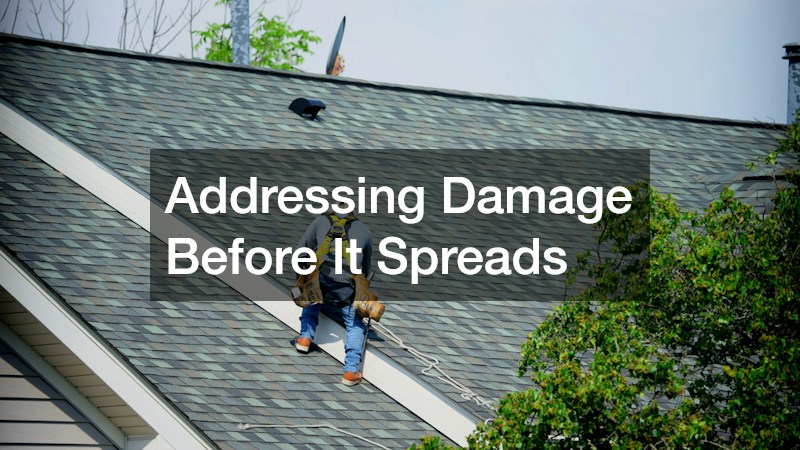
Roof damage can affect more than the visible roofing material. When water enters through a damaged area, it can reach underlayment, roof decking, insulation, ceilings, and wall cavities. The longer moisture remains, the greater the potential for material deterioration and additional repair needs. Addressing problems promptly can help limit the affected area.
Roof repair might involve replacing damaged shingles, correcting flashing problems, sealing appropriate roof penetrations, or addressing other localized concerns. The necessary work depends on the roof’s material, age, condition, and source of damage. A professional inspection can help determine whether a targeted repair is appropriate or whether more extensive work should be considered.
Storms can create sudden roofing problems, including missing shingles, damaged flashing, punctures, and fallen debris. Homeowners should look for visible signs from a safe location and arrange an inspection when damage is suspected. If water is entering the home, protecting belongings and limiting exposure to the affected area can help reduce immediate disruption while professional assistance is arranged.
Not every roofing issue can be resolved with a small repair. Widespread material deterioration, recurring leaks, sagging areas, or extensive storm damage could indicate that a larger project is necessary. A roofing professional can explain the condition of the system, outline recommended work, and help homeowners understand the differences between repair and replacement options.
Preparing Your Roof for Changing Weather
Preparing a roof for seasonal weather can help homeowners identify vulnerabilities before conditions become more demanding. Rain, wind, snow, ice, and high temperatures can all affect roofing materials and drainage systems. The appropriate preparation depends on the roof’s design, material, age, and the weather patterns common in the area.
A local roofer can evaluate the roof before periods of heavy rain or freezing temperatures. This inspection can include checking shingles, flashing, roof valleys, vents, and other areas where water might enter. Professionals can also assess whether previous repairs remain in good condition and whether visible wear suggests that additional work is needed.
Gutters and downspouts are important parts of roof drainage. When they become blocked by leaves, branches, or other debris, water can overflow and collect near the roofline or foundation. Homeowners should arrange appropriate gutter maintenance and check that downspouts direct water away from the property. Damaged or improperly positioned drainage components can contribute to moisture concerns.
Attic ventilation and insulation also affect how a roof performs throughout the year. Poor ventilation can contribute to excess heat and moisture in attic spaces, while inadequate insulation can affect indoor temperatures and contribute to winter ice dam concerns in some climates. A professional can assess these conditions and recommend improvements based on the home’s construction and local requirements.
Maintaining Indoor Comfort Throughout the Seasons
Heating and cooling systems help maintain comfortable indoor temperatures as outdoor conditions change. Because these systems often operate for extended periods during extreme weather, their components experience regular wear. Reduced airflow, inconsistent temperatures, unusual noises, and unexpected increases in utility costs can indicate that an evaluation is needed.
HVAC services can include system inspections, maintenance, repairs, equipment replacement, and other work related to heating, ventilation, and air conditioning. The specific services available depend on the provider’s qualifications and the equipment installed in the home. Homeowners should confirm that a company works with their system type before arranging service.
Seasonal preparation can help identify performance concerns before a system is needed most. In spring, homeowners can arrange an evaluation of cooling equipment before warmer weather arrives. Before winter, heating equipment should be checked to confirm that it is operating properly. These visits can provide an opportunity to identify worn components, airflow concerns, thermostat issues, and other conditions that could affect performance.
Air filters also require attention throughout the year. A clogged filter can restrict airflow and affect system operation, although replacement frequency depends on the filter type, household conditions, and manufacturer guidance. Homeowners should follow the recommended schedule and watch for changes in airflow or indoor comfort. Keeping vents unobstructed and maintaining appropriate indoor humidity can also support a more comfortable living environment.
Scheduling Routine Heating and Cooling Inspections
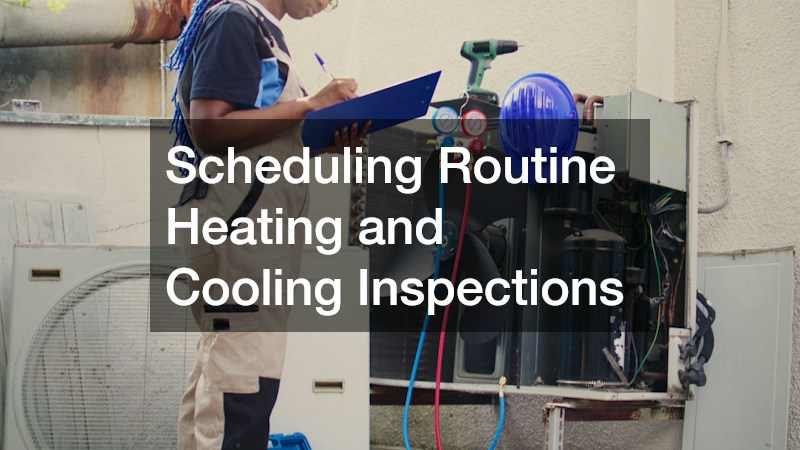
Regular professional inspections can help homeowners understand the condition of their heating and cooling equipment. Even when a system appears to be working normally, certain components can experience wear that is not immediately noticeable. Routine evaluations provide an opportunity to identify developing concerns and address maintenance needs before they lead to unexpected interruptions.
An HVAC contractor can inspect equipment according to the system type and manufacturer recommendations. Depending on the unit, an inspection might include evaluating electrical connections, checking controls, examining refrigerant components, inspecting condensate drainage, and reviewing system operation. Heating equipment may require additional checks involving burners, heat exchangers, ignition components, or venting systems. The exact procedures depend on the equipment and applicable safety requirements.
Homeowners should pay attention to warning signs between scheduled appointments. Short cycling, weak airflow, unusual odors, inconsistent temperatures, and repeated thermostat problems can indicate that a system needs attention. A sudden loss of heating or cooling should be evaluated promptly, especially during extreme temperatures or when vulnerable household members are affected.
Keeping a home in good condition requires attention throughout the year. Everyday wear, changing weather, and regular use can affect plumbing fixtures, water heaters, roofing materials, and heating and cooling equipment. Although some maintenance concerns are easy to spot, others develop gradually behind walls, beneath flooring, or within mechanical systems. Recognizing early warning signs and arranging appropriate inspections can help homeowners address problems before they cause more extensive disruption.
Professional assistance is important when a problem involves specialized equipment, hidden damage, or potential safety concerns. Qualified service providers can evaluate the source of an issue, explain available repair options, and help determine whether maintenance, repair, or replacement is appropriate. By taking a consistent approach to home care, property owners can protect important systems, support indoor comfort, and make more informed decisions about maintaining their homes over time.