A truly hygienic home is far more than a house that merely smells like lemons and appears to be clutter-free. While we often fixate on surface-level cleanliness—wiping down countertops, vacuuming rugs, and scrubbing toilets—the real engines of household health are actually operating behind the scenes, hidden from our daily view, behind the walls, under the floorboards, and even within the ceilings. The home is essentially a complex ecosystem responsible for air exchange, water delivery, and waste removal. When these vital systems falter, such disturbances not only create major inconvenience for those residing within but also morph into breeding grounds for harmful entities such as mold, bacteria, and allergens, which can severely impact the inhabitants’ health over time.
To truly maintain a sanitary living environment, one must undergo a considerable shift in perspective. This change involves moving away from the typical notion of “cleaning for aesthetics” to a far more impactful and conscientious practice of “maintaining for health.” This transition demands a proactive approach, where you prioritize regular inspections and maintenance of the mechanical and structural components of your property. By vigilantly addressing even minor repairs, and by committing to deep-system cleaning, you can ensure that the air circulating within your home is consistently clean and the water you consume is free from contaminants. Such diligent attention to the unseen aspects of your home’s infrastructure significantly contributes to a healthier, safer living environment, safeguarding the well-being of all who dwell therein.
Moisture Control and Exterior Integrity
The first line of defense in home hygiene is moisture management. Bacteria and mold require damp environments to thrive, and the most common source of indoor moisture is a failure in the home’s exterior drainage. When water is allowed to pool near the foundation, it seeps into crawlspaces and basements, creating a humid microclimate that facilitates fungal growth.
Regular maintenance of your drainage system is non-negotiable. During autumn and spring, organic debris like leaves, twigs, and pine needles accumulate in your channels. If left untouched, this sludge becomes a damp nesting ground for pests and a source of rot. Consistent gutter cleaning ensures that rainwater is diverted at least six to ten feet away from your foundation.
Actionable Exterior Maintenance Tips:
- The Downspout Test: During a rainstorm, observe your downspouts. If water is trickling rather than rushing, there is likely a clog at the elbow. Use a garden hose to flush the system from the bottom up to dislodge the blockage.
- Grade the Soil: Ensure the soil around your home slopes away from the structure. A drop of one inch per foot for the first six feet is generally recommended to prevent water from “wicking” into the masonry.
- Splash Blocks: Use concrete or plastic splash blocks at the exit point of your downspouts to prevent soil erosion and ensure water doesn’t just sink into the ground right next to the wall.
Optimizing Airflow and Filtration
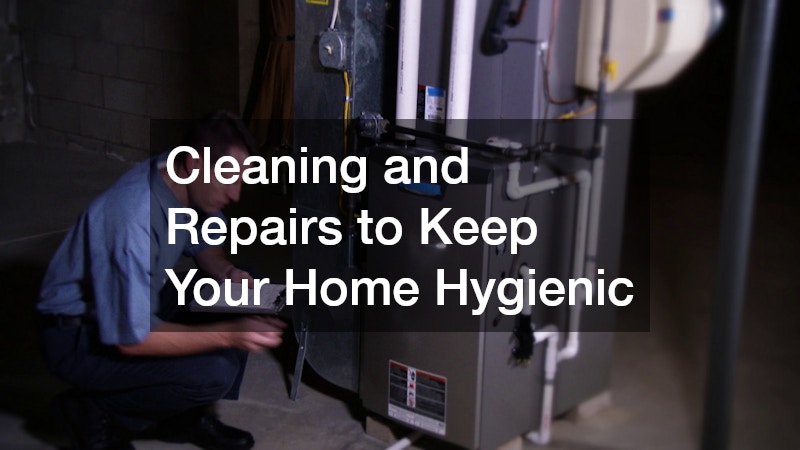
We spend roughly 90% of our time indoors, yet indoor air can be two to five times more polluted than outdoor air. Your HVAC system acts as the respiratory system of your house. Over time, the internal components can accumulate fine particulate matter, including skin cells, pet dander, and microscopic spores.
When dust builds up on the internal coils or within the distribution network, the system’s efficiency drops, and it begins to circulate pollutants every time the fan kicks on. For homes that have undergone recent renovations, or those where inhabitants suffer from chronic respiratory issues, consulting professional air duct cleaning and repair companies can be a transformative step. These specialists use high-powered vacuums and HEPA filtration to remove decades of buildup that a standard household vacuum cannot reach.
Furthermore, mechanical components inevitably wear down. A failing motor or a cracked heat exchanger isn’t just an efficiency issue; it can lead to improper combustion or stagnant air. Timely HVAC repair is essential to ensure that the air being pushed into your bedrooms is fresh, filtered, and temperature-controlled.
Improving Indoor Air Quality:
- Filter Selection: Use filters with a Minimum Efficiency Reporting Value (MERV) rating of 8 to 11 for residential use. Anything higher might restrict airflow too much for standard residential blowers.
- Coil Cleaning: Vacuum the dust off your indoor evaporator coil and outdoor condenser coil annually. Dust acts as an insulator, forcing the system to run longer and create more humidity.
- Humidity Control: Aim to keep indoor humidity between 30% and 50%. Anything higher encourages dust mites and mold growth.
Modernizing Climate Control for Long-Term Health
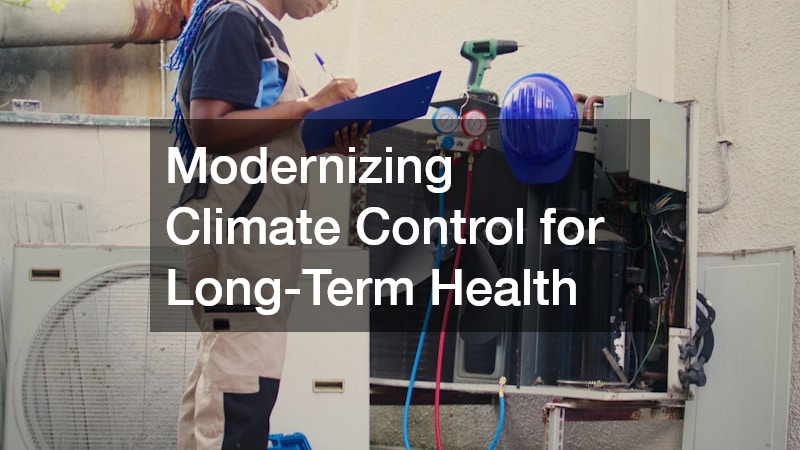
There comes a point where repairing an old unit is no longer the most hygienic or cost-effective choice. Older units often use outdated refrigerants and lack the dehumidification capabilities of modern equipment. If your system is over fifteen years old and struggles to maintain a consistent temperature, an air conditioning replacement may be the best investment for your family’s health.
Newer models are designed with “variable speed” technology, which allows the system to run at lower speeds for longer periods. This constant, gentle airflow is far superior at pulling moisture out of the air than the “all or nothing” blasts of older, single-stage units.
Signs You Need a System Upgrade:
- The Smell of Mildew: If a “dirty sock” smell persists even after cleaning, there may be deep-seated mold within the internal insulation of an old unit.
- Rising Energy Bills: An inefficient system works harder to produce less, often leading to poor ventilation.
- Frequent Cycling: If the unit turns on and off every few minutes, it isn’t running long enough to properly dehumidify the home.
Advanced Plumbing Care
The drainage system in your home is designed to whisk away biological waste and greywater as quickly as possible. However, the internal surfaces of pipes often develop a “biofilm”—a slimy layer of bacteria and fungi that feeds on soap scum and organic matter. This biofilm can produce foul odors and, in some cases, allow pathogens to travel back up into sinks.
Regular drain cleaning is about more than just fixing a slow sink; it’s about sanitizing the transit route for waste. While many reach for caustic chemical cleaners, these can damage your pipes and kill the beneficial bacteria needed if you have a private waste system. Instead, mechanical cleaning or enzyme-based solutions are preferred. For more significant issues, such as tree root intrusion or heavy scale buildup in the main line, professional sewer line cleaning using hydro-jetting is the gold standard. This process uses high-pressure water to scrub the interior of the pipes, returning them to a nearly new state.
Best Practices for Healthy Drains:
- The Boiling Water Flush: Once a week, pour a kettle of boiling water down your kitchen sink to melt away grease before it solidifies.
- Hair Traps: Use mesh strainers in all showers. Hair is the primary “rebar” that reinforces clogs, allowing other debris to get stuck.
- Avoid “Flushable” Wipes: Despite the labeling, these do not break down like toilet paper and are the leading cause of residential backups.
Managing Household Waste and Infrastructure

For many homeowners, the most critical part of their plumbing is the part they never see. If your home isn’t on a municipal grid, your waste is processed on-site. This requires a delicate balance of biology and engineering. A failing waste system can lead to surface pooling of effluent, which is a major biohazard for children and pets.
A routine septic inspection is the only way to ensure the sludge levels are manageable and the leach field is absorbing liquid correctly. This should be performed every three to five years. Simultaneously, staying on top of general plumbing repairs—such as fixing a leaky flapper in a toilet or a dripping faucet—prevents the excess water loading that can “drown” a waste system and lead to premature failure.
Warning Signs of Infrastructure Failure:
- Lush Green Patches: If one area of your lawn is significantly greener and faster-growing than the rest, it may be receiving “fertilizer” from a leaking pipe.
- Slow Drains Throughout the House: If every sink is slow, the problem isn’t the individual drain; it’s the main line or the tank.
- Sulphur Odors: The smell of rotten eggs near the drain field or in the basement is a clear indicator of a gas leak or a backup.
From the Source to the Tap
Water is the lifeblood of the home, used for drinking, cooking, and bathing. However, the quality of water can vary wildly depending on your local infrastructure or well conditions. Hard water can lead to mineral buildup in your pipes, while chemical runoff or lead from old plumbing can pose significant health risks.
To address these concerns, many homeowners are turning to whole-house water purification systems. These systems can remove chlorine, heavy metals, and volatile organic compounds (VOCs) before the water ever reaches your faucet. Additionally, we must consider how we heat that water. Sediment buildup in the bottom of a tank can harbor bacteria and reduce the temperature at which the water is delivered. Regular water heater services, including flushing the tank and checking the temperature settings (ideally 120°F to 140°F), ensure that your hot water is both energy-efficient and sanitary.
Improving Your Water Quality:
- Flushing the Tank: Attach a hose to the drain valve at the bottom of your heater and run it until the water is clear. This removes the “mud” of minerals that slows down heating.
- Anode Rod Replacement: This rod “sacrifices” itself to rust so your tank doesn’t. Replacing it every few years can double the life of your heater.
- Testing: Buy a home water testing kit or send a sample to a lab to check for nitrates and bacteria, especially if you rely on well water.
Creating a Maintenance Schedule for a Healthy Home
A 3,000-word deep dive into home hygiene wouldn’t be complete without a structured plan. The biggest hurdle to a hygienic home is the “out of sight, out of mind” nature of these systems. By creating a seasonal calendar, you can break these tasks into manageable pieces.
Monthly Maintenance:
- Inspect HVAC Filters: Check for grey buildup; replace if you can’t see the filter material.
- Clean Sink Overflows: Use a small brush to clean the overflow hole in bathroom sinks, which often harbors mold.
- Check for Leaks: Look under kitchen and bathroom cabinets for any signs of moisture or “cupping” in the wood.
Quarterly Maintenance:
- Test Sump Pumps: Pour a bucket of water into the pit to ensure the pump activates.
- Clean Aerators: Unscrew the tips of faucets and soak them in vinegar to remove mineral deposits and bacteria.
- Inspect Attic for Pests: Droppings from rodents or insects are major allergens and can compromise your insulation.
Annual Maintenance:
- Deep System Flush: Perform a full flush of your water heater and all major drain lines.
- Exterior Inspection: Check for cracks in the foundation or siding where moisture could enter.
- Professional Assessment: Schedule an annual “tune-up” for your climate control systems to catch small issues before they require expensive interventions.
The Psychological Impact of a Maintained Home

There is a documented link between the state of our living environment and our mental well-being. A home that feels “unclean” due to lingering odors, damp spots, or poor airflow can increase cortisol levels and contribute to chronic stress. Conversely, knowing that your home’s “organs” are functioning correctly provides a sense of security and peace.
When you invest in the deep cleaning of your ducts or the repair of a leaking sewer line, you aren’t just protecting your real estate asset; you are investing in your family’s daily comfort. A hygienic home is a quiet home—one where the pipes don’t clatter, the air doesn’t smell of dust, and the water is consistently clear.
Building a sanctuary of health requires a commitment to the systems that run behind the scenes. By transitioning from a reactive approach—waiting for things to break—to a proactive maintenance schedule, you can eliminate the hidden threats of mold, bacteria, and poor air quality. Each repair made and each system cleaned is a step toward a more sustainable and sanitary lifestyle. Your home is your most intimate environment; keeping it hygienic through diligent care is the ultimate form of self-care for you and your loved ones. Stick to the schedules, trust the experts when necessary, and enjoy the lasting benefits of a truly healthy home.