
Summer has a way of revealing every weak spot around the house. A small leak becomes a problem during a hard afternoon storm. A cluttered garage suddenly feels impossible when pool toys, bikes, garden tools, and outdoor cushions all need a place to go. A patio that seemed fine in spring can feel less inviting once guests are walking across hot, uneven surfaces with plates in hand.
The good news is that preparing your home for summer does not have to mean taking on a full renovation. In many cases, the smartest improvements are simple, practical, and timed well. When you walk through your home before the hottest weeks arrive, you can catch maintenance issues early, make outdoor areas more comfortable, and set up your spaces for the way your family actually lives during the season.
Think of summer preparation as a mix of prevention and comfort. Some projects protect your home from rain, heat, and heavy use. Others make daily routines easier, whether that means keeping the kitchen ready for guests, making the backyard safer for kids, or creating cleaner entry points after days spent outside.
Checking the Roof Before Storms Start
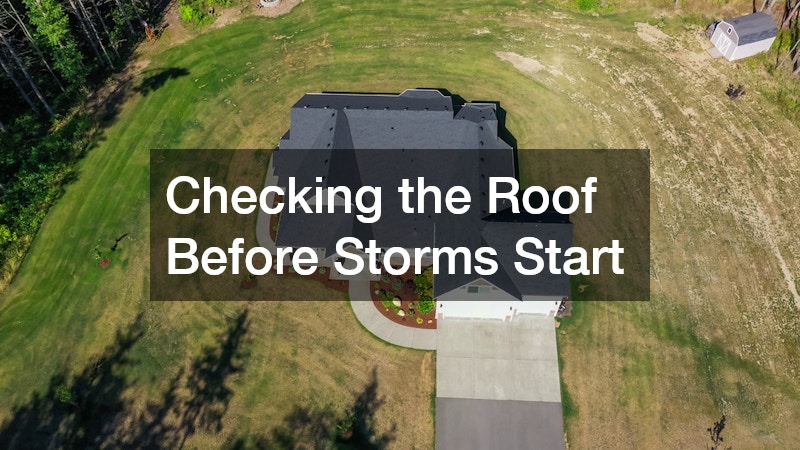
A roof is easy to ignore until water finds its way indoors. Before summer storms become frequent, take time to look for obvious signs of wear from the ground. Missing shingles, curled edges, loose flashing, sagging areas, and dark streaks can all be early warnings that the roof needs attention. You do not need to climb up there to spot many problems; staying safely on the ground with binoculars is often the better choice.
Inside the home, check the attic if you can access it safely. Look for damp insulation, water stains, musty smells, or tiny beams of daylight coming through the roof boards. After a heavy rain, walk through upper rooms and check ceilings around vents, skylights, chimneys, and exterior walls.
If you notice damage, it may be worth calling a roofer before the busy season fills their schedule. Small repairs, such as replacing a few shingles or resealing flashing, are usually much easier to manage than interior water damage after a storm. It is also smart to trim branches that hang over the roof because they can scrape shingles, drop debris, and become a hazard during high winds.
Roof ventilation deserves attention, too. A poorly ventilated attic can trap heat and make your cooling system work harder. Make sure vents are not blocked by insulation or debris.
Clearing Drainage Paths Around the House
Water management is not the most exciting summer project, but it is one of the most important. During a fast-moving storm, clogged gutters can overflow quickly. Water may spill over the sides, run down siding, pool near the foundation, or back up under roof edges. Over time, that moisture can lead to rot, basement dampness, soil erosion, and costly repairs.
Start by walking around the house and checking where water is supposed to go. Gutters should be firmly attached, free of sagging sections, and angled so water moves toward the downspouts. Downspouts should discharge several feet away from the home, not directly beside the foundation.
For homes surrounded by trees, gutter guard installation can help reduce the amount of leaves, seed pods, and twigs that collect during the season. It does not eliminate every maintenance task, but it can make gutter care more manageable and reduce the risk of sudden clogs during storms.
Watch what happens during the next rainfall if you can do so safely. Look for water pouring over the edge, dripping behind the gutter, or collecting near steps and walkways. Sometimes the fix is as simple as tightening a hanger or adding a downspout extension.
Creating Outdoor Spaces for Everyday Living
Summer changes how people use their homes. The backyard becomes a second living room, the patio becomes a dining area, and shaded corners become the best places to unwind after work. Preparing these areas early helps them feel more inviting when the season is in full swing.
Start with the surfaces underfoot. If part of the yard turns muddy after rain or struggles to grow healthy grass, artificial turf flooring installation may be worth considering for a cleaner, lower-maintenance play or lounge area. This can be especially helpful in small backyards, pet areas, side yards, or spaces where kids run back and forth all summer.
Next, look at the boundaries of the yard. A wood fence should be checked for loose boards, leaning posts, splinters, and gate problems before summer gatherings begin. Gates that do not latch properly can become a safety concern, especially if pets or children are outside.
A simple outdoor refresh can make a big difference. Wash patio furniture, clean cushions, sweep corners where leaves collect, and create a place for everyday items like sunscreen, bug spray, garden gloves, and outdoor toys.
Preparing Pool Areas Before Heat Waves

Pool preparation should start before the first truly hot weekend. By the time everyone wants to cool off, you do not want to be troubleshooting equipment, hunting for missing parts, or realizing the area around the pool is unsafe.
Begin by checking the basics. Inspect the liner, pump, hoses, filter, ladder, and any visible connections. Look for cracks, rust, leaks, or worn parts. If you have an above ground pool, pay close attention to the ladder and entry area. It should feel stable, secure, and easy to use.
Safety should guide the setup. Make sure children cannot access the pool unsupervised. Store chemicals in a secure, dry place away from direct sun and out of reach. Keep rescue items nearby, even for smaller pools. If you use a cover, inspect it for tears and make sure it fits correctly.
It also helps to think through the flow of the space. Where will towels go? Where will wet shoes pile up? Is there a shaded place to sit? A few practical choices, such as adding a storage bench or placing a washable mat near the entrance, can make the area safer and easier to maintain.
Strengthening Floors for Summer Traffic
Summer tends to bring more mess indoors. Kids track in grass and dirt. Pets come in wet from sprinklers. Guests move between the patio, kitchen, bathroom, and living room. If your home already has worn surfaces in entryways, garages, basements, or mudrooms, summer can make those weak spots more noticeable.
Focus first on the areas that take the most abuse. Entry points need sturdy mats both outside and inside. A shoe-drop zone can reduce how much dirt travels through the home. In utility areas or garages, epoxy floorings can make surfaces easier to clean while helping protect against stains, moisture, and heavy use.
For the rest of the home, inspect your flooring for lifting edges, cracked tiles, gaps, soft spots, or worn finish. Small issues may seem cosmetic, but they can become tripping hazards when the house is busier. Moisture-prone areas deserve extra attention because summer humidity can make existing problems worse.
Instead of waiting for floors to look dirty, set up a simple rhythm. Shake out mats weekly, wipe entry areas after storms, and keep a small broom or cordless vacuum near the busiest door.
Refreshing the Kitchen for Casual Hosting
Summer hosting is often informal, but that does not mean the kitchen works any less. Casual gatherings can put more pressure on the space because people are constantly reaching for drinks, snacks, ice, plates, and serving tools.
Start by clearing the surfaces you use most. Put away appliances that rarely come out. Create a zone for drink pitchers, cups, and napkins so guests do not crowd the cooking area. If you grill often, keep trays, tongs, foil, and serving platters together.
A granite countertop can be a strong surface for busy kitchens, especially when cared for properly. Use cutting boards, wipe spills quickly, and avoid harsh cleaners that may dull the finish. If the surface needs sealing, handle it before the season becomes hectic. The same goes for small repairs such as loose cabinet pulls, dripping faucets, sticky drawers, or a garbage disposal that sounds strained.
Think about one realistic summer scene: friends arrive with side dishes, someone needs to slice fruit, kids are asking for water, and the grill timer is beeping outside. The kitchen does not need to be perfect, but it does need clear landing spots.
Repairing Hard Surfaces Before Guests Arrive
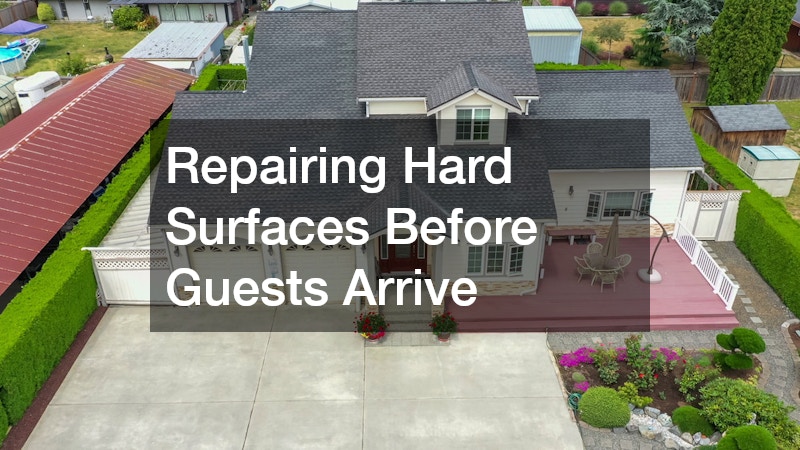
Patios, walkways, steps, and driveways become more important in summer because people use them constantly. Guests walk from cars to the front door, kids ride bikes in the driveway, and family members carry food and drinks across outdoor spaces. Cracks, uneven slabs, and crumbling edges are more than appearance issues; they can create real safety problems.
Walk your property slowly and look down as you go. Notice where water collects, where weeds push through joints, and where one section of concrete sits higher than another. Small cracks can often be cleaned and filled, but larger movement may require a closer look from a concrete contractor. This is especially true if slabs are sinking, tilting toward the house, or creating trip hazards near steps and entry points.
Cleaning can make a surprising difference. Sweep debris out of expansion joints, remove weeds, and wash stained areas before sealing. If a patio gets too hot or slick, consider adding outdoor rugs designed for exterior use, shade, or textured mats in key spots.
Testing Backup Systems Before Outages Happen
Power outages are easier to handle when you have prepared before the sky turns dark. Summer storms can knock out electricity quickly, and high demand during heat waves can strain local systems. If your household depends on refrigeration, medical devices, sump pumps, remote work equipment, or cooling, backup planning deserves attention.
If you own a generator, test it before storm season. Check the fuel, oil, cords, transfer switch, and manufacturer’s instructions. Make sure everyone in the household understands that it must never run indoors, in a garage, or near windows and doors. Carbon monoxide can build up quickly, and safe placement is not optional.
Outdoor electrical systems should also be checked. Look at exterior outlets, landscape lighting, extension cords, fans, and fixtures for damage. Covers should close properly, cords should not be frayed, and outlets near wet areas should be appropriate for outdoor use.
A simple outage kit can reduce stress. Keep flashlights, batteries, phone chargers, shelf-stable food, bottled water, and a written list of important contacts in one place.
Reducing Heat Inside and Outside
Keeping a home comfortable in summer is not just about lowering the thermostat. In many homes, small adjustments can reduce heat buildup and help cooling systems work more efficiently. The key is to control sunlight, improve airflow, and reduce unnecessary indoor heat.
Start with windows. Close blinds or curtains during the hottest part of the day, especially on south- and west-facing windows. Thermal curtains can make rooms feel noticeably cooler. Check weatherstripping around doors and windows, too. If warm air is leaking in, your air conditioner has to work harder.
Ceiling fans should rotate counterclockwise in summer to push air downward and create a cooling effect. This does not lower the room temperature, but it can make people feel more comfortable, allowing you to set the thermostat a bit higher. Replace HVAC filters regularly, especially if pets, dust, or pollen are part of your household.
Outside, shade changes everything. Umbrellas, pergolas, shade sails, trees, and awnings can make patios and windows less exposed to direct sun. Daily habits matter as well. Run dishwashers, dryers, and ovens during cooler parts of the day when possible. Grill outside when it makes sense. Close doors quickly when moving between indoor and outdoor spaces.
Building a Seasonal Maintenance Rhythm
The most successful summer preparation is not a one-day marathon. It is a rhythm. When homeowners try to handle every task at once, it becomes overwhelming, and important details get missed. A more realistic approach is to divide summer maintenance into manageable categories and revisit them throughout the season.
One weekend might be for storm preparation. Another might focus on outdoor living areas. A third could be for organizing the garage, checking pool supplies, or cleaning high-traffic indoor spaces. This approach works because it reflects how homes are actually used.
A practical summer rhythm might include:
- Walk the exterior once a month after a storm.
- Check outdoor seating, shade, and lighting before hosting.
- Clean entry areas weekly during heavy outdoor use.
- Review pool and yard safety rules with children.
- Restock emergency supplies before severe weather is forecast.
- Look for moisture, pests, or unusual odors in basements and utility areas.
The point is not to create a rigid checklist that makes summer feel like work. The point is to notice small issues before they become expensive or disruptive.
Enjoying Summer With Fewer Surprises
A well-prepared home does not just look better in summer. It feels easier to live in. Outdoor spaces are safer and more inviting. Indoor areas stay cleaner and cooler. Storms feel less stressful because the basics have already been checked. Guests can come over without every visit turning into a scramble.
You do not need to complete every project at once. Start with the areas that affect safety, comfort, and daily use the most. For one home, that may mean drainage and storm readiness. For another, it may mean organizing outdoor spaces so family can enjoy the yard more often.
When you take care of small issues early, summer becomes less about reacting to problems and more about enjoying the spaces you already have.